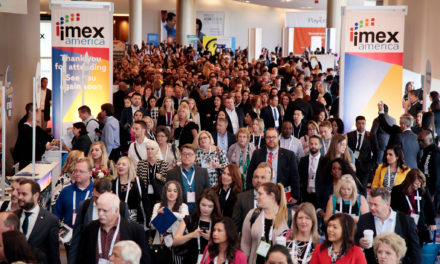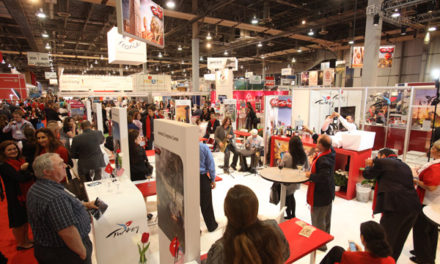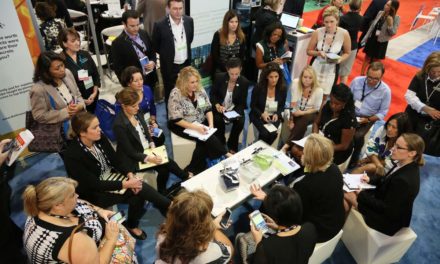

Business events happen every day at hotels, convention centers, restaurants and purpose-built venues across the globe. From board retreats to international expos, these gatherings drive commerce, education, policy and economic growth.
The most common business events fall into what the industry calls MICE — Meetings, Incentives, Conferences and Exhibitions. The term represents the full scope of structured, goal-driven events that power the global meetings industry.
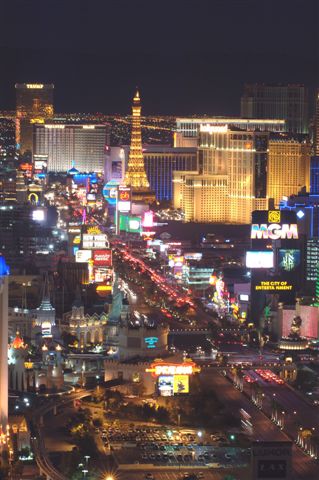
Courtesy of Las Vegas News Bureau
A business event includes:
-
A formally scheduled program
-
A defined business objective
-
A targeted audience
-
Measurable outcomes
Business events are designed to:
-
Grow brand awareness
-
Educate constituents
-
Generate leads
-
Launch products
-
Strengthen partnerships
-
Recognize performance
-
Advance policy or advocacy
And they are not limited to corporations. Associations, nonprofits and government agencies plan business events just as frequently — often with broader economic and community impact.
According to the U.S. Travel Association, business travel generated $312 billion in spending in the United States in 2024, with group meetings and events accounting for $126 billion of that total. These gatherings support hundreds of thousands of jobs and fuel local hospitality economies nationwide.
“In-person gatherings are the heartbeat of business and connection, indispensable to every industry,” noted the association during Global Meetings Industry Day.
Industry research has also shown that companies can generate as much as $5.90 in revenue for every $1 invested in business travel and face-to-face meetings — a compelling return on investment that explains why MICE programs remain a strategic priority. (Learn more, Measuring ROI for Events and Meetings.)
The Core Categories of MICE Business Events
Meetings
Meetings are the foundation of the MICE industry. They include:
-
Corporate board meetings
-
Sales meetings
-
Leadership summits
-
Association chapter meetings
-
Government briefings
-
Training programs
Meetings are typically focused, structured and audience-specific. They may range from a half-day executive strategy session to multi-day corporate gatherings.
Conferences and Conventions
Conferences and conventions are larger, multi-session events that bring together attendees around a common industry, profession or cause.
Seminars
Seminars are typically:
-
Shorter in duration
-
Focused on a single topic
-
Held in one room
-
Educational in nature
They may last a few hours or a half day and often emphasize professional development.
Conferences
Conferences are more complex programs that usually include:
-
Opening keynote sessions
-
Concurrent breakout tracks
-
Sponsored sessions
-
Networking events
-
Exhibits
They are commonly held at hotels or convention centers and can span one to several days.
Associations frequently partner with organizations like Meeting Professionals International (MPI) to elevate conference strategy, sustainability and attendee engagement. (Learn more, How to Negotiate Hotel Favorable Contracts for Meetings and Events.)
Exhibitions and Trade Shows
Trade shows and exhibitions are revenue drivers for associations and industry groups.
Exhibitors participate to:
-
Generate qualified leads
-
Launch new products
-
Strengthen brand positioning
-
Build relationships with buyers and partners
Trade shows often represent a significant portion of event revenue through:
-
Booth sales
-
Sponsorship packages
-
Advertising
-
Speaking opportunities
For destinations, exhibitions fill hotel blocks, generate food and beverage revenue, and drive citywide economic activity.
Incentive Travel Programs
Incentive events are performance-based reward programs designed to motivate employees, channel partners or sales teams. These programs typically include:
-
Luxury resort destinations
-
Executive-level programming
-
Business development sessions
-
Curated experiences
-
Team-building activities
Incentive travel programs often last three to five days and require strategic planning in:
-
Site selection
-
Transportation logistics
-
Contract negotiation
-
On-site event management
While they reward top performers, incentive programs also generate significant economic impact for host destinations.
Corporate Retreats and Leadership Offsites
Often grouped under meetings or incentives, executive retreats and leadership offsites deserve distinction. They focus on:
-
Strategic planning
-
Innovation
-
Organizational alignment
-
Culture building
These programs typically take place in resort environments or secluded venues that allow leaders to disconnect from daily operations and focus on long-term objectives.
Special Events Within Business Programs
Certain programs function as subcategories within MICE — usually under meetings or incentive events.
Golf Outings
Corporate golf events are often tied to:
-
Fundraising initiatives
-
Client appreciation programs
-
Relationship development
While recreational in structure, they should remain aligned with business objectives. Morning or early afternoon tee times may impact meeting scheduling, so planners must prioritize business content.
Appreciation and Hospitality Events
These programs build goodwill and strengthen client relationships. Common formats include:
-
Private dinners
-
Sporting event suites
-
Cultural performances
-
Festival hospitality
-
Holiday receptions
-
Yacht or river cruises
Although informal in tone, appreciation events must still support broader business goals.
Why Business Events Matter
Business events are not simply gatherings — they are economic engines and strategic investments. They drive:
-
Local tourism spending
-
Hotel occupancy
-
Airline demand
-
Restaurant revenue
-
Retail sales
-
Tax generation
The U.S. Travel Association reports that group travel and meetings represent a disproportionate share of lodging and airline revenue compared to leisure travel. Beyond economics, business events deliver:
-
Face-to-face relationship building
-
Faster deal cycles
-
Knowledge exchange
-
Industry innovation
-
Workforce development
In a digital world, the value of in-person connection continues to outperform purely virtual alternatives.
The Expanding Scope of Business Events
Today’s business events also include:
-
Hybrid meetings with virtual components
-
Sustainability-focused conferences
-
DEI-centered summits
-
Global congresses
-
Government policy forums
-
Startup pitch competitions
As organizations evolve, so do the formats and expectations of business events. What remains constant is this: Every successful business event begins with a defined objective and ends with measurable impact.
Frequently Asked Questions
What is considered a business event?
A business event is a formally planned gathering with a defined business objective, such as education, networking, sales growth, product launches or organizational strategy.
What does MICE stand for?
MICE stands for Meetings, Incentives, Conferences and Exhibitions — the four primary categories of structured business events.
What is the difference between a conference and a meeting?
A meeting is typically smaller and more focused, while a conference includes multiple sessions, speakers and networking opportunities over one or more days.
Why are business events important?
Business events drive economic impact, generate revenue, strengthen professional relationships and deliver measurable return on investment.
Do business events generate ROI?
Yes. Industry research has shown companies may generate up to $5.90 in revenue for every $1 invested in business travel and face-to-face meetings.
Updated. Initially published January 7, 2012.