Sherry wine may put Jerez on the map, but horses, flamenco, culinary traditions and Andalusian culture help define the experience.
Most travelers know Jerez de la Frontera as the birthplace of sherry wine. That’s certainly one reason to visit. Yet wine is only part of the story.
Located in Andalusia, Jerez combines wine, equestrian heritage, flamenco, exceptional cuisine and a relaxed pace that feels distinctly different from Spain’s larger cities. The city’s selection as Spain’s Capital of Gastronomy for 2026 further reinforces its growing reputation as a destination for food lovers.
One of Jerez’s strengths is its compact geography. Historic wineries, horse farms, restaurants, cultural attractions and coastal communities are all located within a relatively short drive of one another.
Visitors can:
- Tour a centuries-old bodega.
- Attend an performance.
- Explore a historic monastery.
- Enjoy a farm-to-table lunch.
- Experience authentic flamenco.
And they can often do it all in a single day.



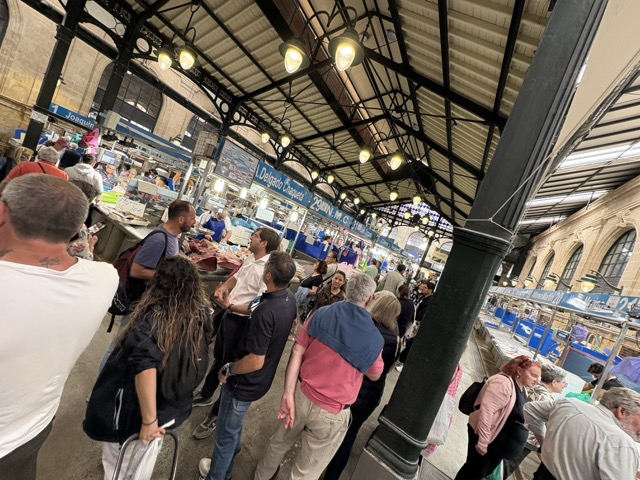

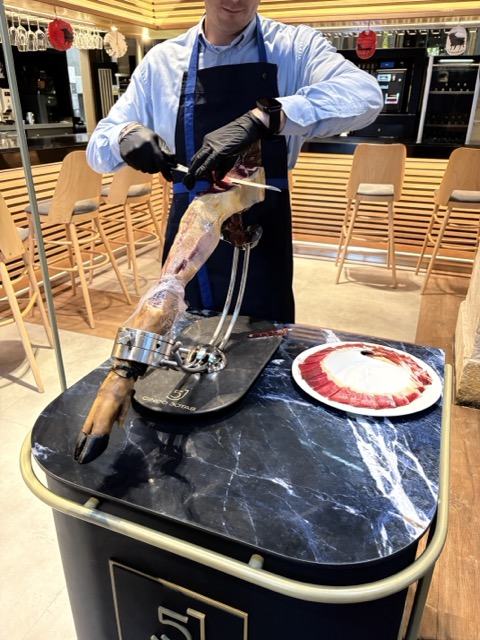
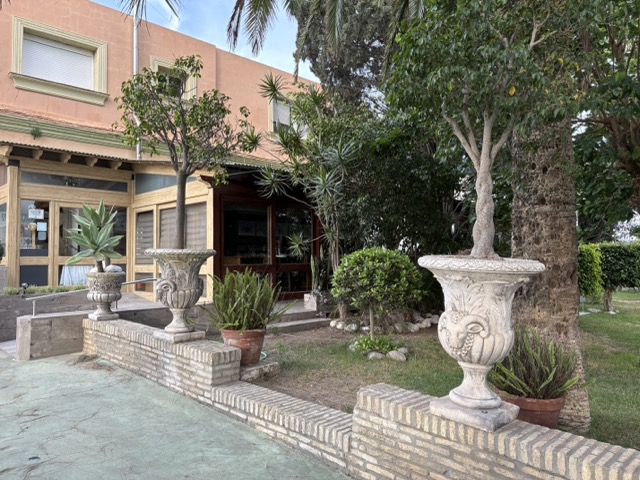
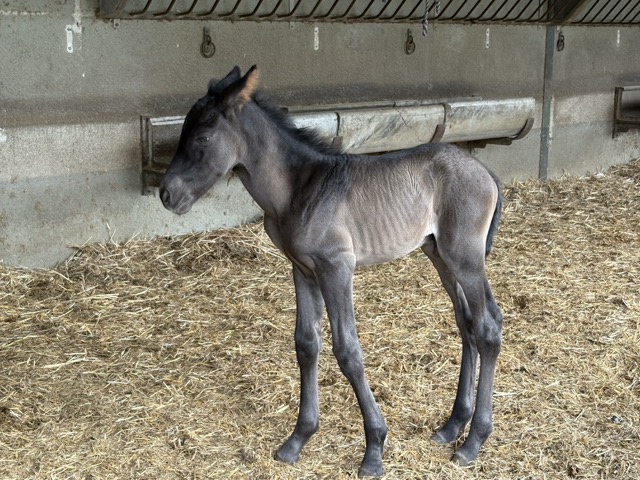

Jerez’s compact geography makes exploring the region easy.
Jerez is served by Jerez Airport, making arrivals and departures surprisingly easy. Travelers will find a smaller facility where baggage claim, security and ground transportation are generally straightforward.
The airport works particularly well because it offers:
- Easy navigation from arrival to departure.
- Convenient connections through larger gateways such as Madrid-Barajas.
- Shorter lines than many major European airports.
- Quick access to the city’s primary attractions.
Central Jerez is also highly walkable. Many restaurants, plazas, shops and historic attractions are located within easy walking distance of one another, making it enjoyable to explore the city on foot.
The countryside provides a backdrop for many of the region’s best experiences.
One of the pleasant surprises of Jerez is that getting from place to place rarely feels like a chore.
The drives between attractions become part of the experience.
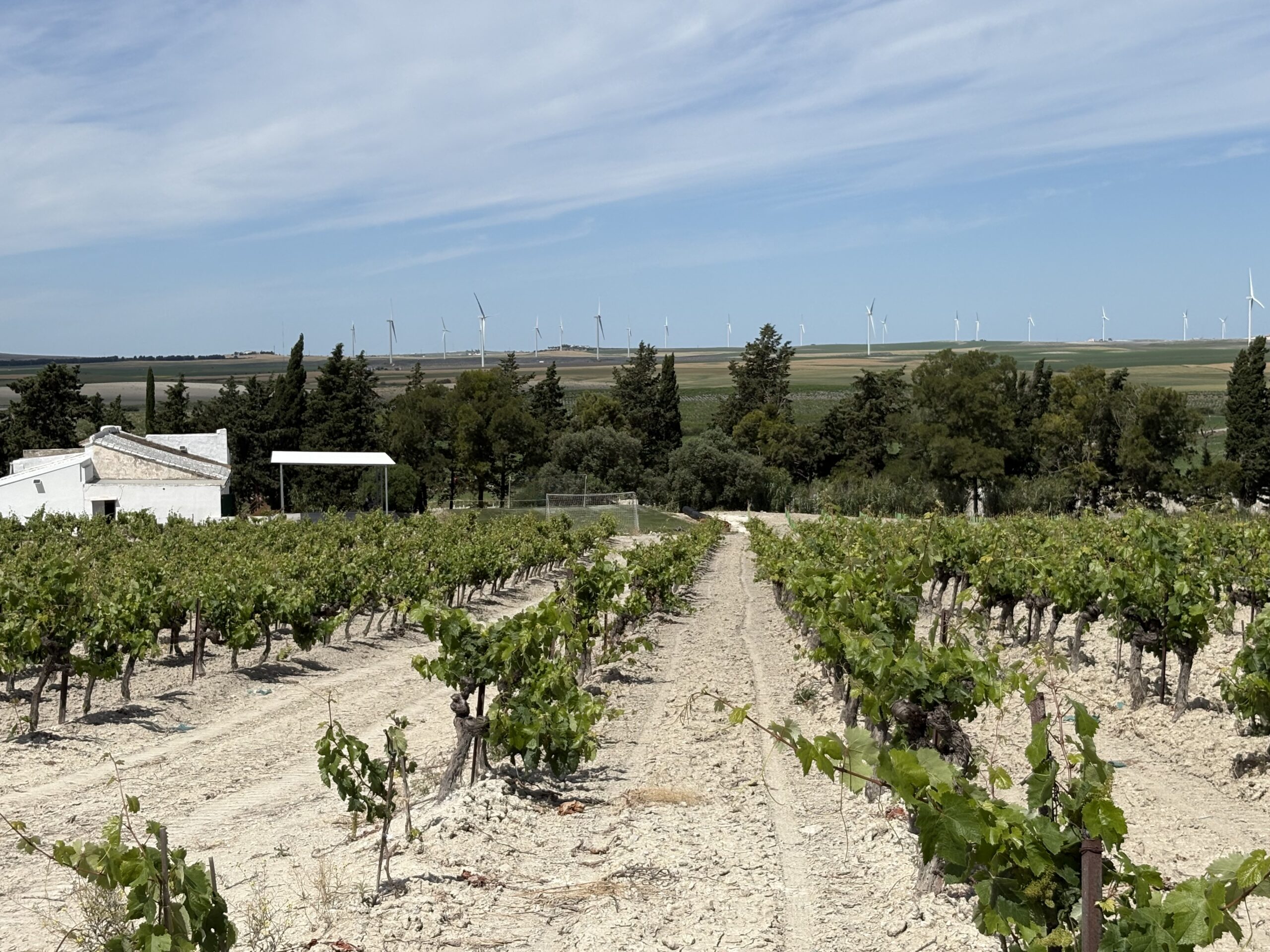
I found myself looking out the window quite a bit. Vineyards and agricultural fields seemed to stretch, creating a landscape that let’s you know you’re distinctly not in Spain’s larger cities.
Whether heading to a winery, equestrian center, historic landmark or farm-to-table lunch, visitors travel through a landscape shaped by agriculture, horses and wine production.
Along the way, travelers will encounter:
- Rolling vineyards and farmland.
- Horse farms and training facilities.
- Agricultural estates.
- Open countryside that feels distinctly Andalusian.
The scenery changes quickly from city streets to rural landscapes, reinforcing how closely connected the region remains to its agricultural roots.
In many destinations, attractions can feel isolated from one another. In Jerez, the opposite is true. The region’s wines, horses, gastronomy and cultural traditions all feel connected to the surrounding landscape.
[Countryside image]
A coastal stay provides a quieter alternative to the city center.
The greater Jerez region offers a range of accommodations, including coastal properties in nearby El Puerto de Santa María.
Hotel Punta Bermeja served as my base for exploring the area. The recently opened property features 172 rooms and suites overlooking either the Atlantic Ocean or surrounding pine forests. During my stay, the ocean views were among the hotel’s biggest strengths, particularly from the private balconies found in many of the guest rooms and suites. I used the mornings to linger a few extra moments on the balcony before heading out to the day’s activities.

Hotel Punta Bermuda exterior. (c) Rob Hard 2026
Highlights include:
- Ocean-view rooms and suites with private balconies.
- A large outdoor pool and terrace.
- An extensive breakfast buffet.
- A quieter coastal setting.
- Easy access to both Jerez and El Puerto de Santa María.
Travelers looking for a newer hotel with ocean views may find it a comfortable base for exploring both the coast and the Jerez region. El Puerto de Santa María’s restaurants, marina and historic center are only a short drive away, making it easy to enjoy both destinations during a stay.
[Hotel image]
Andalusian horses help define the culture of Jerez.
Wine may be Jerez’s most famous export, but the region’s equestrian traditions are equally impressive.
Royal Andalusian School of Equestrian Art
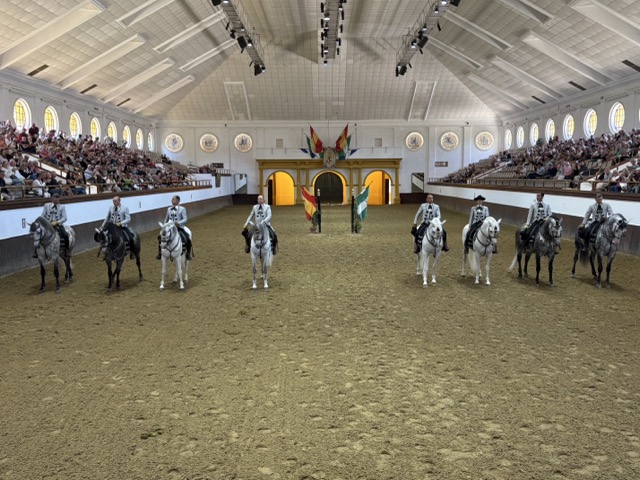
Founded in 1973, the Royal Andalusian School of Equestrian Art is one of Jerez’s most celebrated attractions and a leading center for the preservation and promotion of Spain’s equestrian traditions.
The institution is known worldwide for its signature performance, How the Andalusian Horses Dance.
Visitors can enjoy:
- The school’s signature equestrian performance.
- Historic grounds and training facilities.
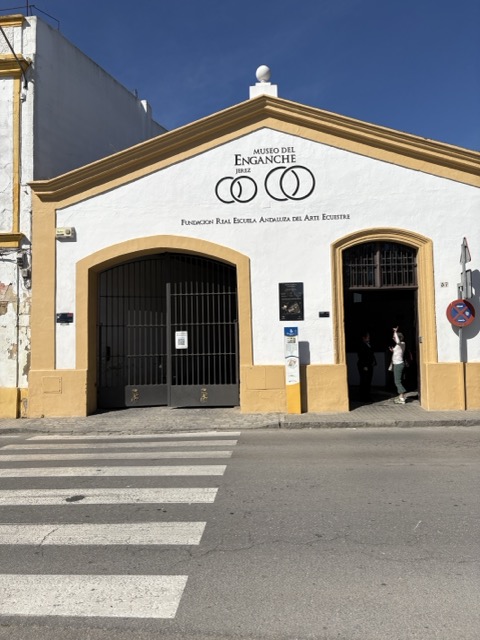
- Museums dedicated to horsemanship and carriage traditions.
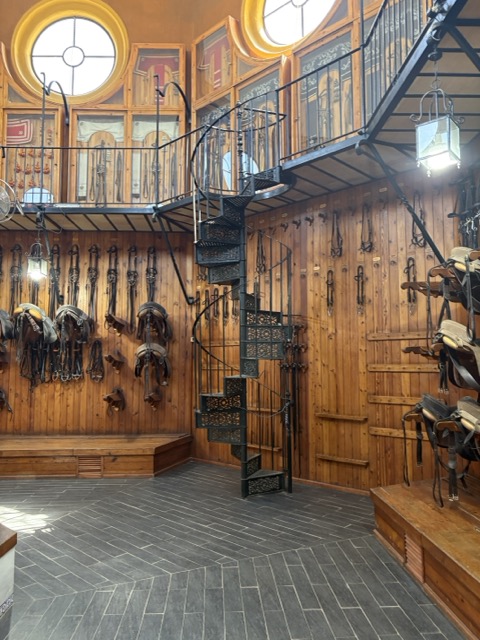
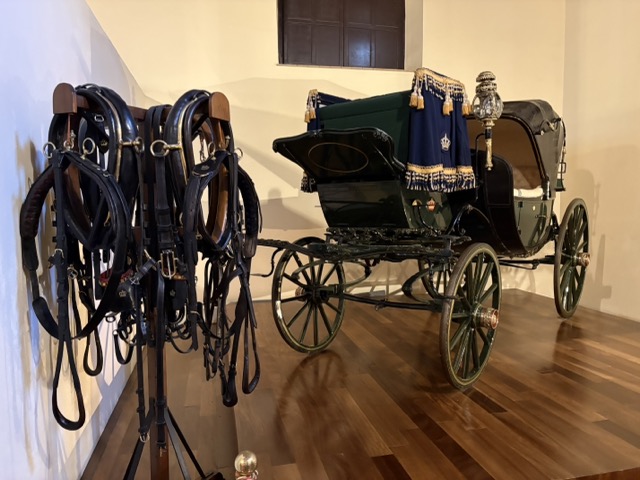
- A carriage museum featuring historic coaches, harnesses and equestrian artifacts.
- The tack room and saddlery where equipment is maintained and prepared for performances.
The performance combines music, horsemanship and centuries of tradition as riders guide Spanish horses through a series of highly choreographed movements that demonstrate remarkable athleticism, precision and grace.
Even if you’re not a horse enthusiast, it is difficult not to appreciate the level of training and coordination between rider and horse.
The experience extends well beyond the show itself and offers one of the best introductions to Andalusia’s equestrian heritage.
(The property also hosts private events, receptions and special programs for groups seeking a distinctive venue.)
[Horse show image or video]
Yeguada Cartuja
Yeguada Cartuja is far more than a horse farm. The property serves as one of the world’s most important reserves of Cartujano horses, preserving a bloodline that traces its roots back more than 500 years.

Yeguda Cartjua coach museum. (c) Rob Hard 2026
Visitors can experience:
- Guided tours of the estate.
- Equestrian performances and demonstrations.
- Museum exhibits focused on the Cartujano lineage.
- Historic carriages, harnesses and equestrian equipment.
- Training facilities and breeding operations.
One of the surprises of my visit was the scale of the property. Visitors aren’t simply viewing a few horses in a stable. The scale of the operation is striking. The horses seemed to be everywhere, reinforcing just how important the breed remains to the region.They are experiencing a living piece of Andalusia’s equestrian heritage.
The facility also hosts equestrian shows that allow visitors to see these remarkable animals in action while learning about the history and preservation of the breed.
(Private tours, equestrian shows, receptions and special events can also be arranged on the property.)
[Yeguada Cartuja image]
Centuries of history remain visible throughout the region.
Carthusian Monastery of Santa María de la Defensión
Founded in the 15th century, the monastery played a pivotal role in preserving the Cartujano horse lineage that remains central to the region’s equestrian heritage today.
Visitors will discover:
- Beautifully maintained grounds.
- Peaceful cloisters.
- Historic religious architecture.
- The origins of the Cartujano horse tradition.
What stood out to me most was the tranquility of the property. The monastery’s manicured grounds and peaceful atmosphere provide a welcome contrast to the activity found elsewhere in the region. It was one of those places where you find yourself standing, looking around, and quietly taking it all in.
(The monastery can also provide a dramatic setting for select private events and receptions.)
[Monastery image]
Local cuisine is one of Jerez’s greatest strengths.
Each year, Spain designates a different destination as its Capital of Gastronomy, recognizing communities that celebrate culinary traditions, local ingredients and food culture. Jerez earned that distinction for 2026, a designation that feels well deserved.
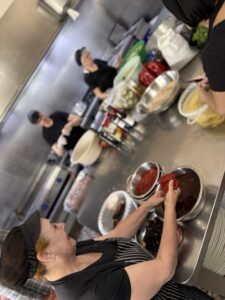
Was lucky to get a cooking demonstration at Venta El Albero in Jarez, Spain. The matriarch and women of the family run the kitchen. ® Rob Hard 2026
The region’s cuisine reflects both its agricultural heritage and its proximity to the Atlantic coast. Local menus often feature seasonal vegetables, olives, citrus, almonds and other produce grown throughout Andalusia, alongside fresh seafood sourced from nearby Cádiz and the surrounding coastline.
Together, these ingredients help define a Mediterranean style of cooking that emphasizes freshness, simplicity and a strong connection to the land and sea.
Venta El Albero
One of the most memorable meals of my visit took place at Venta El Albero, a family-run restaurant near the Guadalete River and the Carthusian Monastery.
As part of my program, owner Juan Pedro Jiménez introduced our group to the property’s orchard and agricultural operation before lunch, providing a firsthand look at some of the ingredients that help shape the menu. Getting a personal tour showed me exactly where his passion comes from. While not everything comes from the farm, many seasonal ingredients make their way from the garden to the kitchen.
What makes the restaurant distinctive:
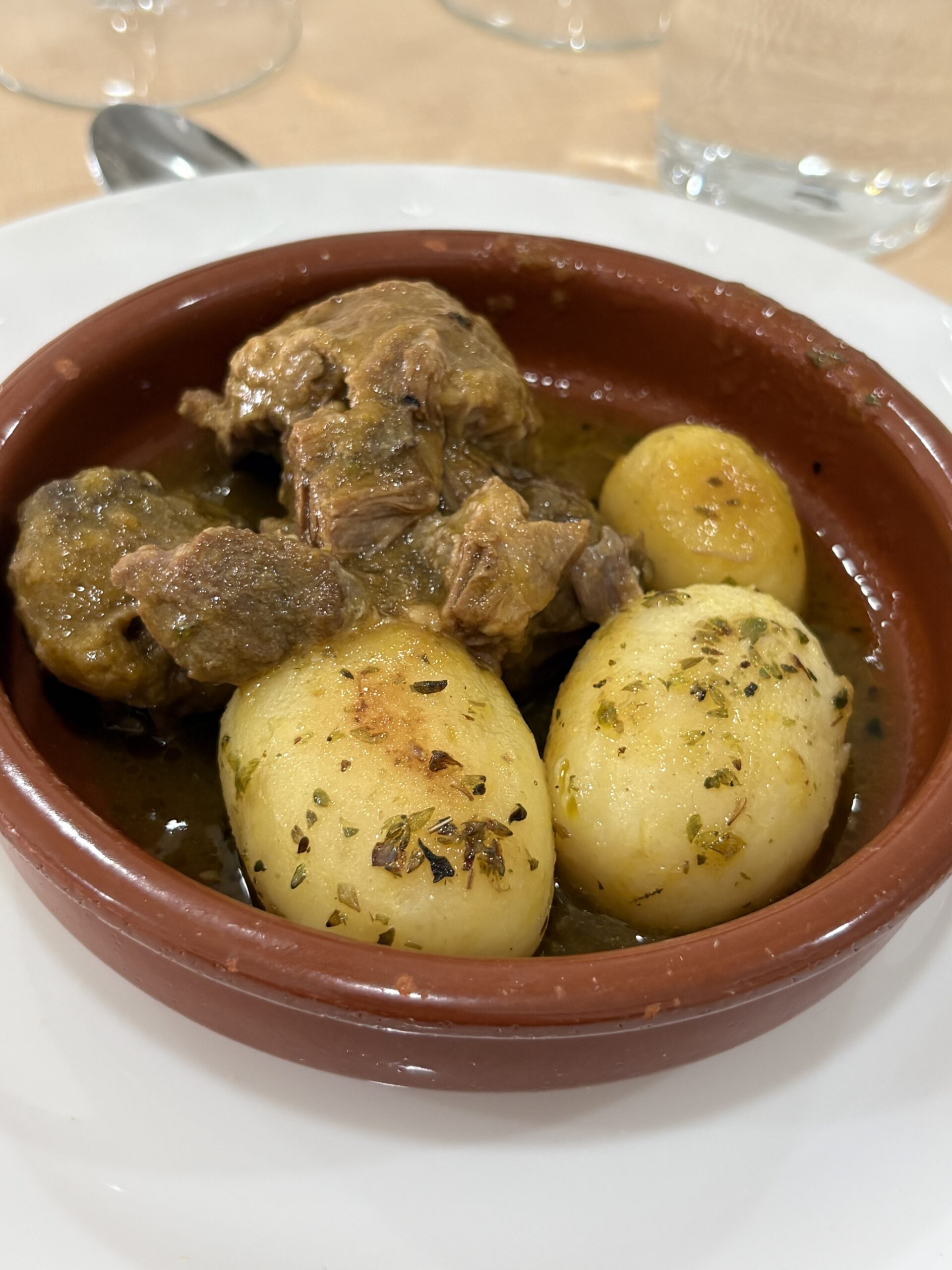
- Traditional Andalusian recipes.
- Seasonal produce and local ingredients.
- A countryside setting near the monastery and river.
- A strong connection to the region’s agricultural traditions.
The restaurant feels deeply rooted in the region. The kitchen remains a family affair, with recipes and traditions passed through generations. During my visit, it was easy to understand why locals regularly make the trip to dine here. Venta El Albero has built a reputation that extends well beyond Jerez and attracts guests from throughout Andalusia.
(Groups may be able to arrange customized experiences that include the property’s agricultural operation.)
La Carboná
Jerez’s culinary reputation extends well beyond traditional taverns and countryside restaurants.
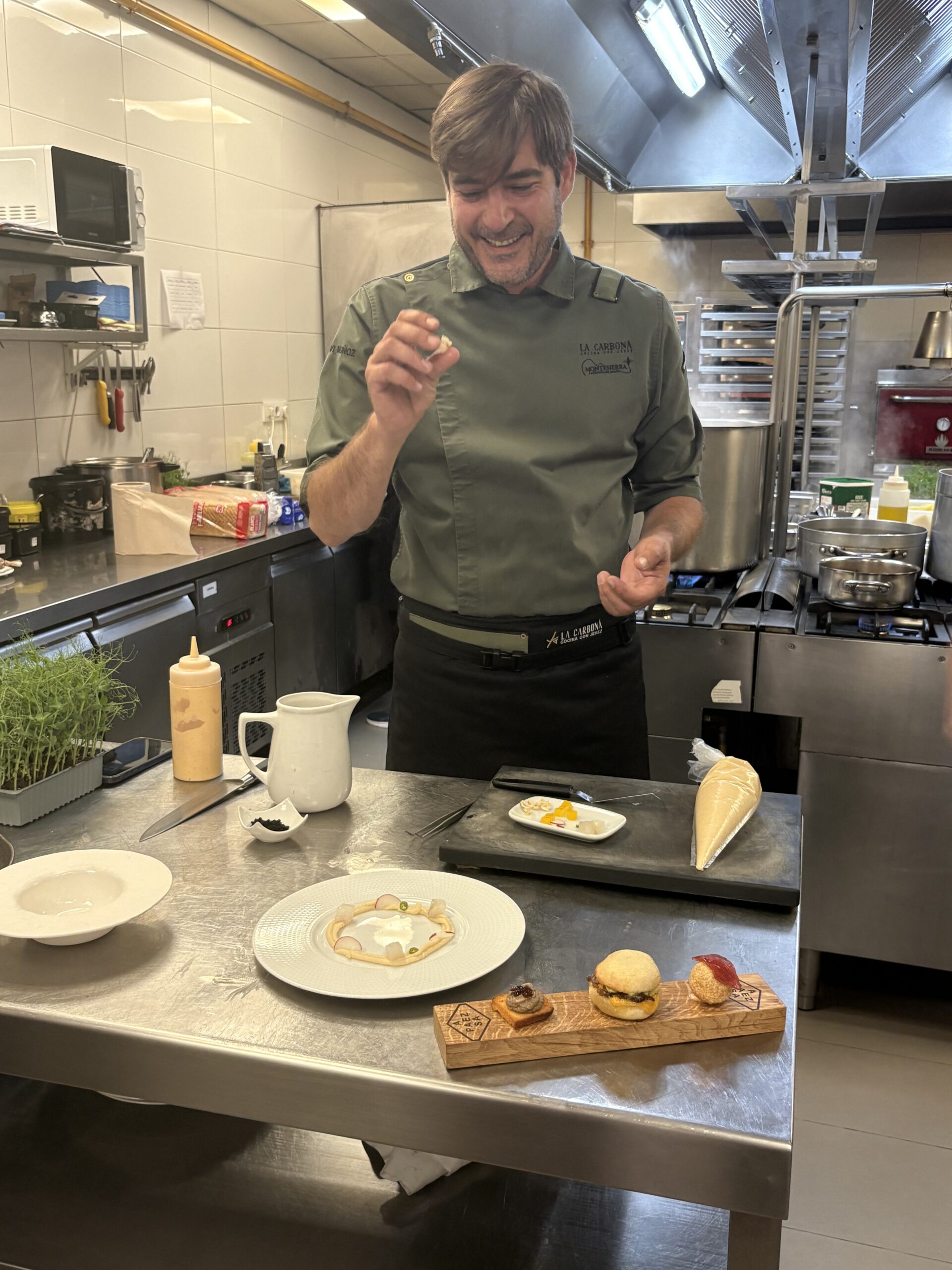
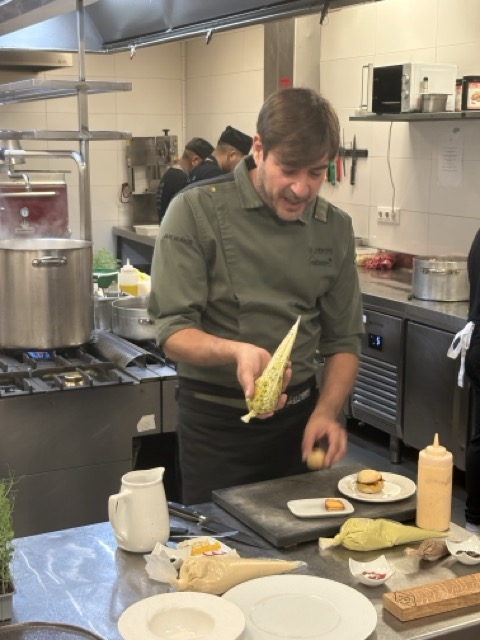
As part of my visit, I joined Chef Javier Muñoz for a tour of Jerez’s Central Market, where local vendors sell seafood, produce, meats and other ingredients that help define the region’s cuisine. Walking through the market reminded me of how important fresh ingredients are to the cuisine of region.The experience provided insight into the ingredients and traditions that influence many local menus.

Cooking demonstration by Chef Javier Munoz at La Carbona in Jerez, Spain. (c) Rob Hard 2026
What makes La Carboná distinctive:
- A respected local chef.
- Strong connections to regional ingredients.
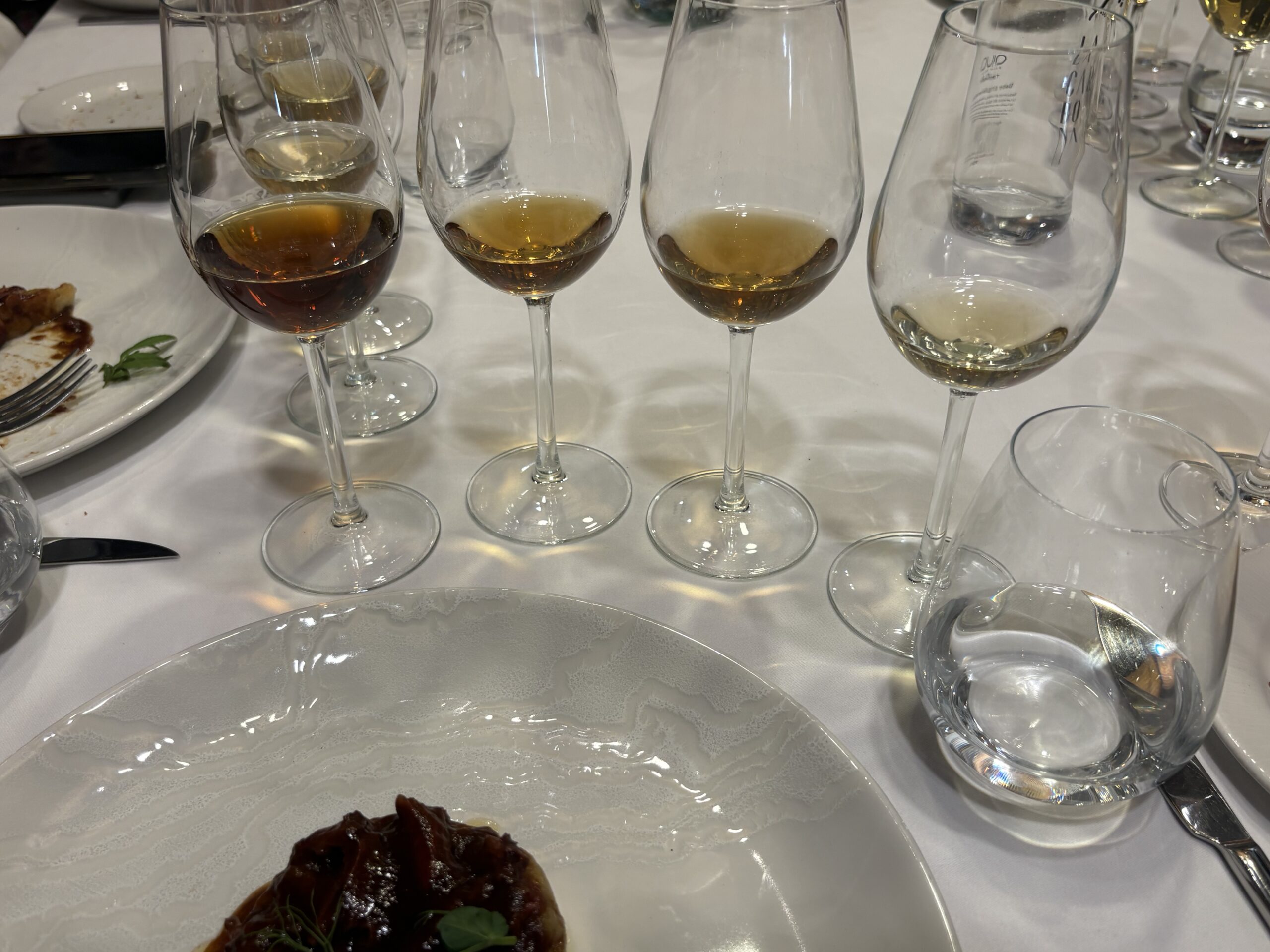
- Creative sherry pairings.
- A contemporary approach to Andalusian cuisine.
- Opportunities for private dining and special events.
Back at La Carboná, Muñoz showcased those ingredients through a tasting experience that paired contemporary Andalusian cuisine with the wines of the region. The restaurant occupies a former wine cellar and remains one of Jerez’s most respected dining destinations.
El Faro de El Puerto
Visitors staying in El Puerto de Santa María may also want to consider El Faro de El Puerto.
Known for its seafood and longstanding reputation within the region, the restaurant offers a comfortable introduction to the flavors of Cádiz. While the experience differs from the farm-to-table focus of Venta El Albero or the chef-driven approach at La Carboná, it remains a solid choice for travelers looking to enjoy local seafood in a relaxed setting.
Highlights include:
- Fresh local seafood.
- Traditional Andalusian dishes.
- Multiple dining spaces.
- A convenient location in El Puerto de Santa María.
Sherry wine provides an ideal introduction to the destination.
No discussion of Jerez would be complete without mentioning the wines that made the city famous.
Visitors have several options for exploring the region’s wine culture, from historic bodegas to small family-owned producers. Check out, “The Sherry Wines of Jerez, Spain” review.
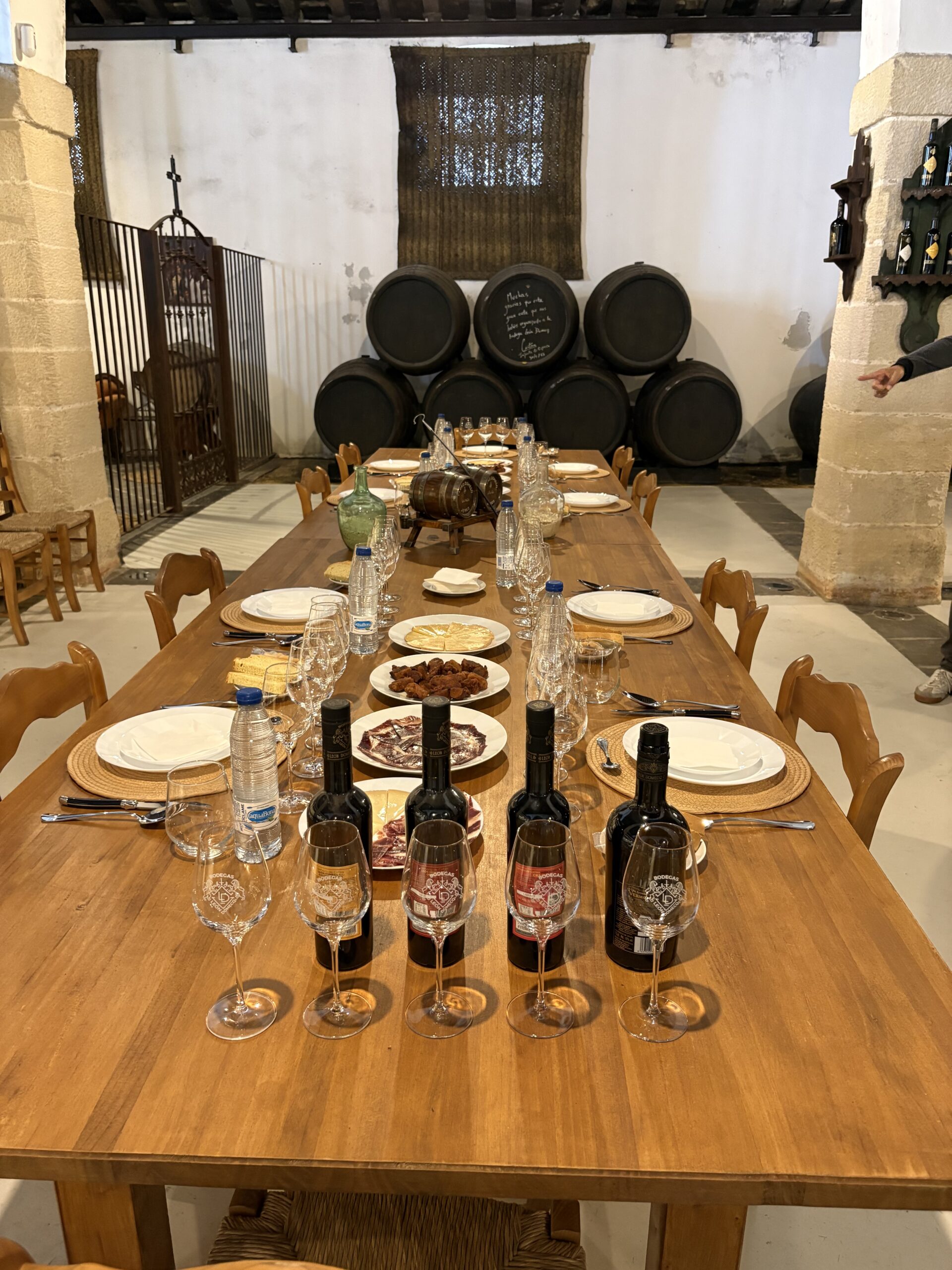
Bodegas León Domecq
Bodegas León Domecq offers visitors an excellent introduction to the region’s wine culture.
Visitors can explore:
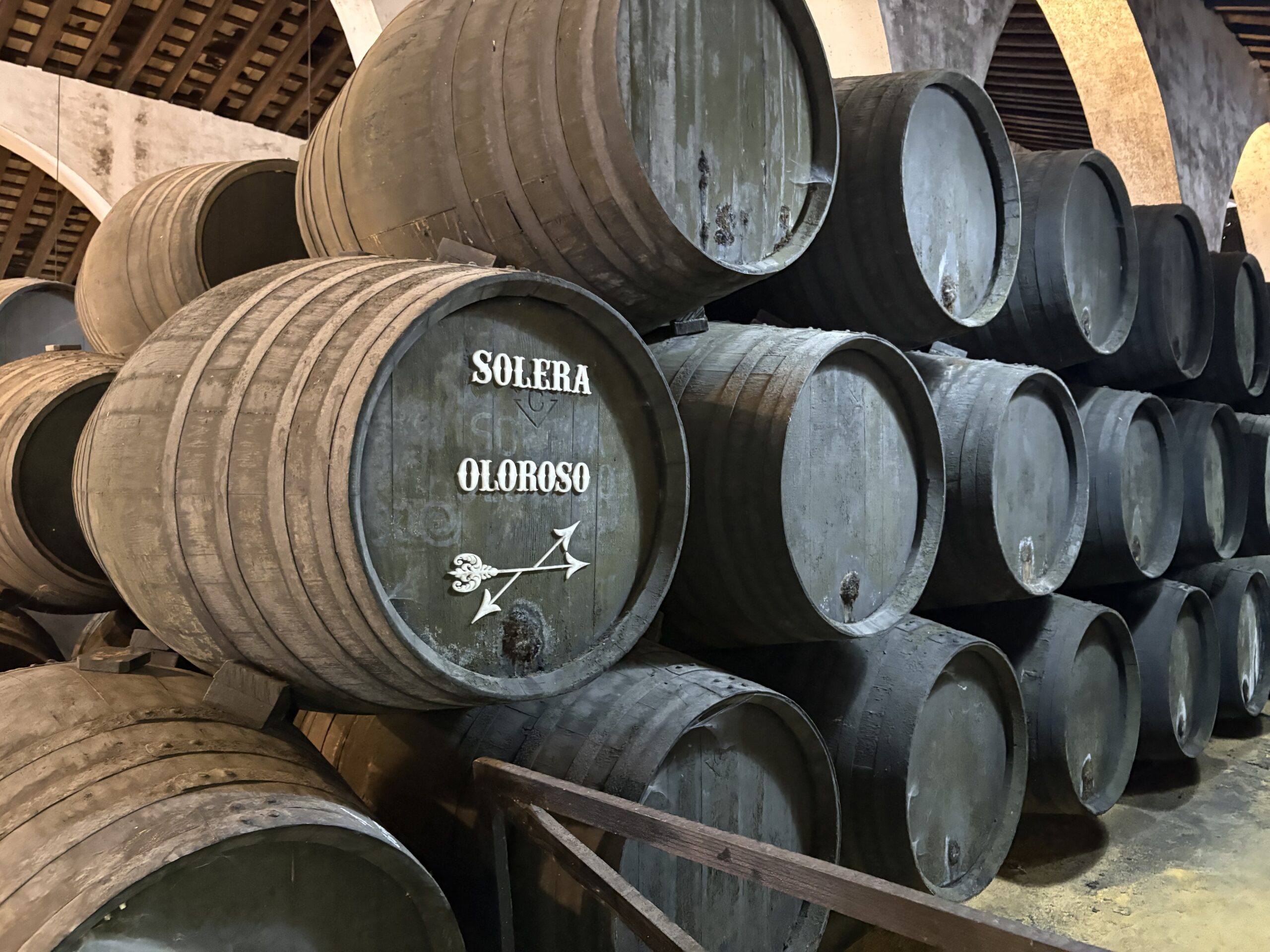
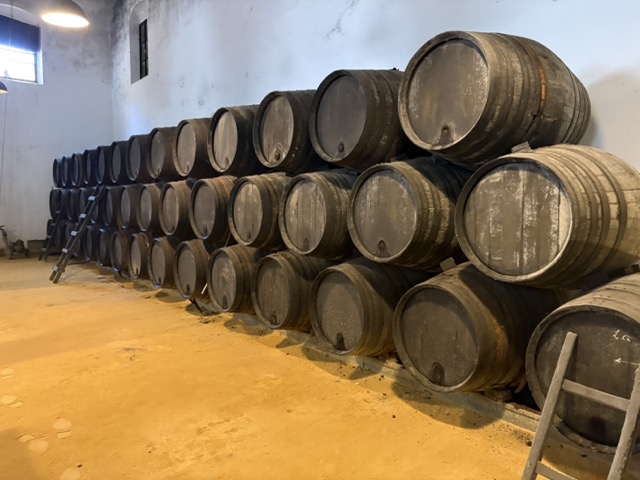
- Aging cellars filled with sherry barrels.
- A dedicated sherry vinegar facility.
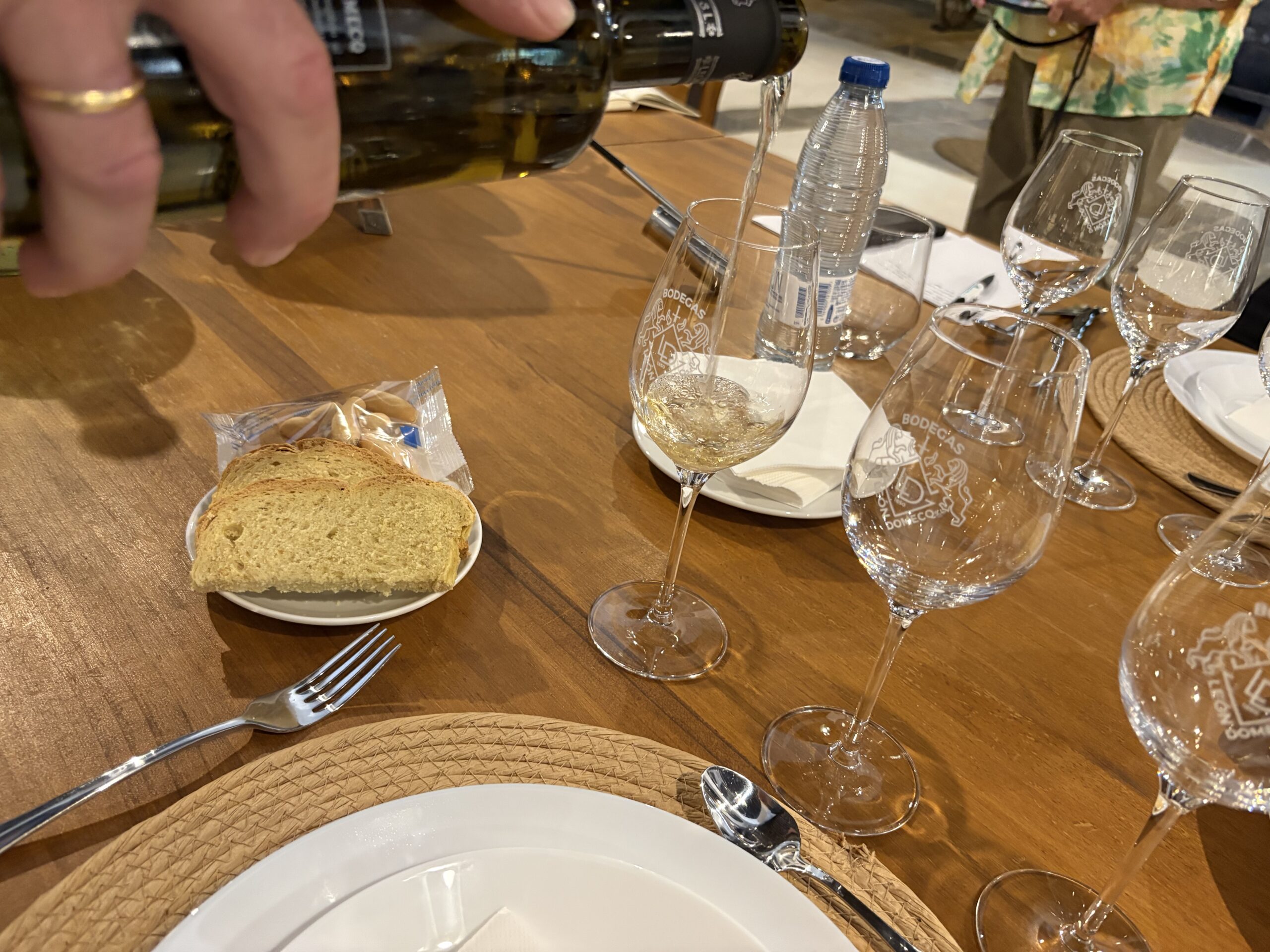
- Tastings featuring a range of wines and vinegars.
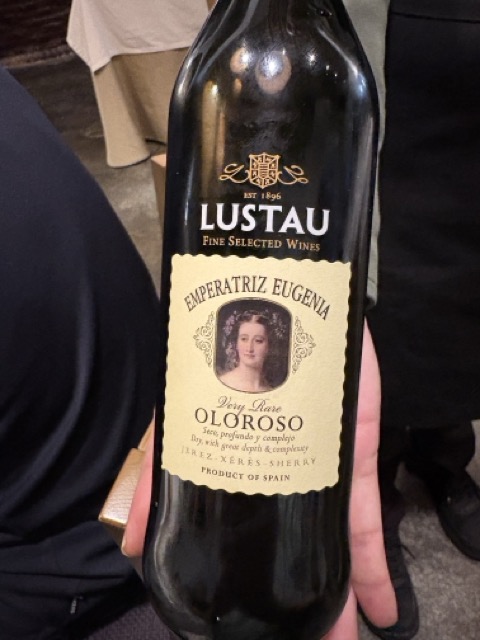
During my visit, I sampled several impressive wines, including an Oloroso aged for more than 40 years. It was one of the wines that stayed with me long after the tasting ended.
The winery also hosts private tastings, dinners and small group events. Travelers should contact the winery directly for current tour and tasting options.
Several wines I enjoyed in Jerez ultimately found their way into my luggage for the flight home. León Domecq’s Oloroso was one of them. At the time of my visit, the winery was not shipping directly to the United States, making an on-site purchase one of the few ways for American visitors to bring a bottle home.
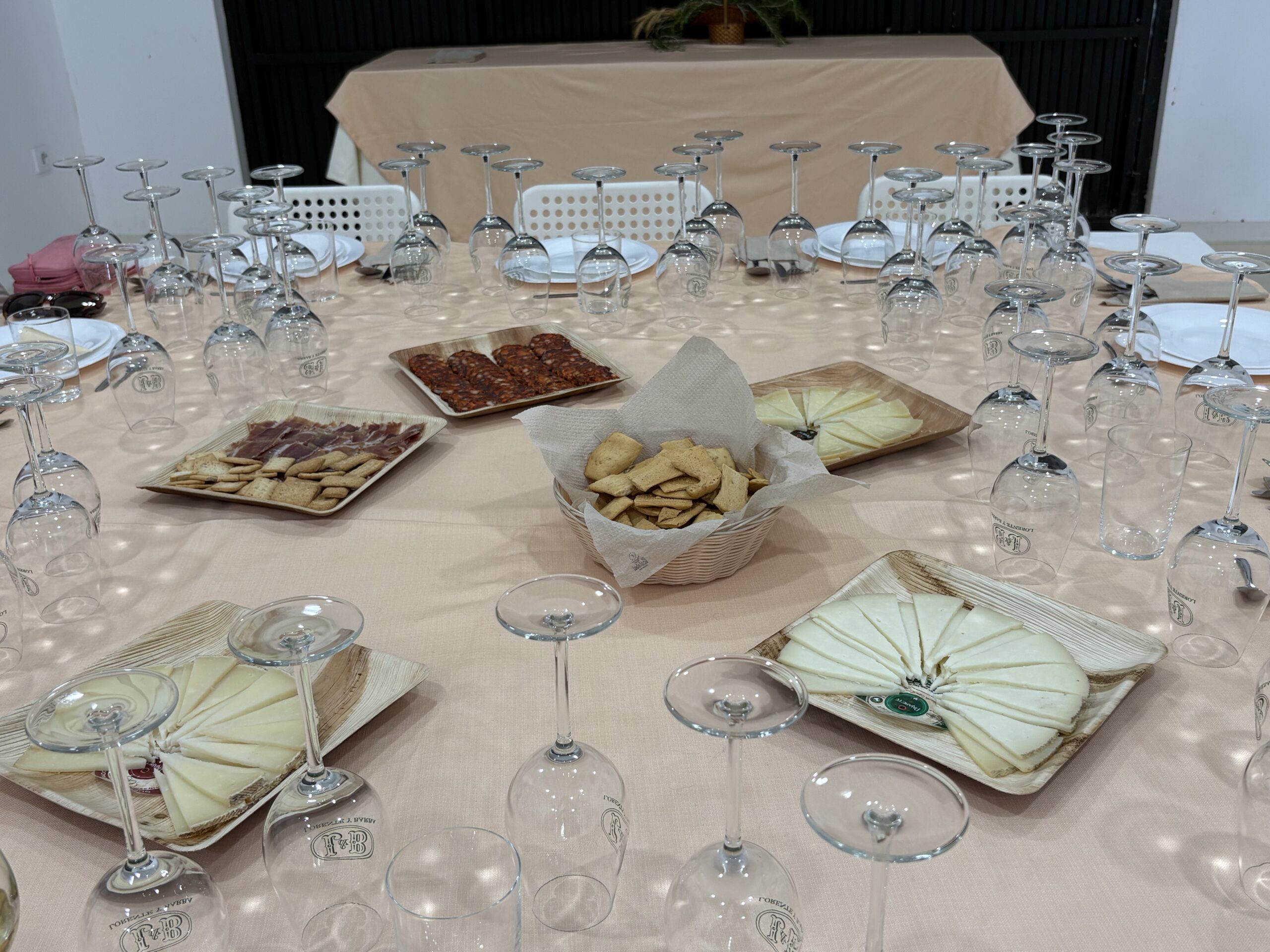
Viña Lorente & Barba
Viña Lorente & Barba provided one of the most personal experiences of the trip.

With Maurcio Lorente of L&H Winery in Jerez, Spain. (c) Rob Hard 2026
Before reaching the vineyard, owner Mauricio Lorente welcomed our group aboard a traditional carriage pulled by two mules. This immediately slowed the pace of the visit and set the tone for an experience that felt personal from start to finish.
As we traveled through the countryside, he shared stories about the property, the region and his family’s connection to sherry production. About twenty minutes later, we arrived at the vineyard for a closer look at the grapes and wines that define the estate.
The experience included:
- A carriage ride through the countryside.
- Time in the vineyard with Mauricio.
- Tastings of several estate-produced wines.
- Conversations about the traditions of rural Andalusia.
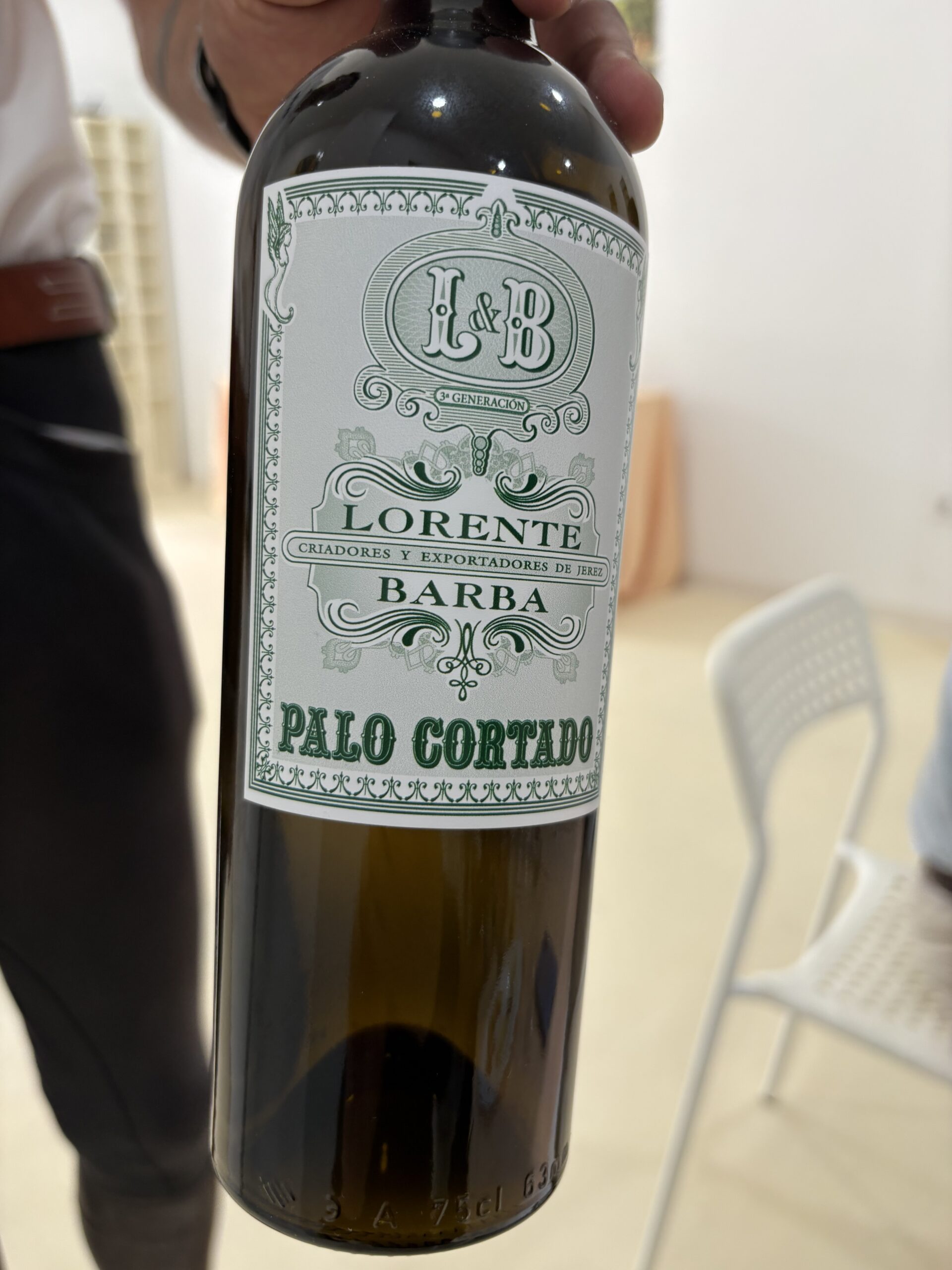
Unlike many wineries that cater to tourism, Viña Lorente & Barba remains a relatively small producer, bottling only about 9,000 bottles annually.
Travelers interested in Mauricio’s wines may want to keep an eye out for them at local wine merchants and specialty wine shops throughout the region. His Palo Cortado and Cream Sherry were among the bottles I brought home from Spain.
(Groups interested in private tastings or lunches may want to inquire about event options.)
Lustau
Visitors looking for additional tasting experiences may also want to explore Lustau, one of the best-known names in sherry wine. The winery offers guided tours and tastings in its historic barrel rooms, providing another opportunity to learn about the wines that helped make Jerez famous.
For a deeper look at the wines themselves, see my companion article, “The Sherry Wines of Jerez, Spain.”
Flamenco remains woven into daily life in Jerez.
Jerez is widely regarded as one of the birthplaces of flamenco.
Tabanco El Pasaje
Historically, tabancos served as neighborhood taverns where sherry was poured directly from barrels while locals gathered for conversation, music and community. Tabanco El Pasaje continues that tradition today.
What makes it worth a visit:
- Intimate flamenco performances.
- Traditional sherry wines.
- A full selection of tapas.
- Historic atmosphere.
- A central location in Jerez’s historic district.
The venue is relatively small, and reservations are recommended if you hope to secure a table for one of the performances.
What I enjoyed most was the relaxed atmosphere. This is not a polished theater production designed for tourists. Guests sit just a few feet from the performers, creating a level of intimacy that is difficult to replicate in a larger venue. At times, it felt less like attending a performance and more like being welcomed into a gathering that happened to include exceptionally talented musicians and dancers.
The musicians and dancers interact with one another, respond to the room and appear to genuinely enjoy the music they are creating.
The evening also offered one of my favorite wine experiences of the trip. Alongside the tapas, we sampled sherry poured from unlabeled bottles, a reminder that some of the most memorable wine experiences happen far from formal tasting rooms.
The result feels authentic and connected to the traditions of Jerez.
Looking beyond the wine glass reveals the full destination.
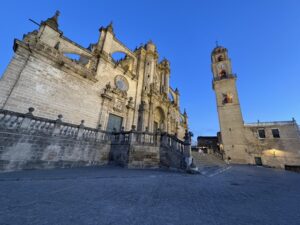
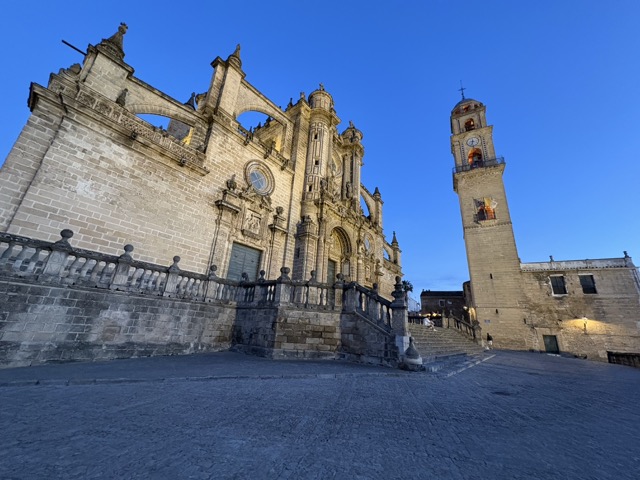
Jerez de la Frontera Cathedral in early evening. (c) Rob Hard 2026
Many destinations become known for a single attraction. In Jerez, sherry wine may provide the introduction, but it is only part of the story.
What surprised me most was how naturally the experiences connected to one another. The wineries, horse farms, restaurants and cultural traditions never felt isolated. They felt like different expressions of the same destination.
The combination of wine, horses, gastronomy, history, flamenco and nearby coastal experiences creates a destination with far more depth than many travelers expect.
Looking back, it wasn’t a single experience that defined the trip. It was how naturally all of those experiences connected to one another. Travelers willing to look beyond the wine glass will discover a side of Andalusia that blends tradition, culture and hospitality in ways that feel both approachable and authentic.
Frequently asked questions about Jerez, Spain
What is Jerez, Spain known for?
Jerez is best known as the birthplace of sherry wine, but it is also recognized for Andalusian horses, flamenco and gastronomy.
How many days should you spend in Jerez?
Two to three days is enough to experience many of the city’s highlights, though the surrounding region offers enough attractions for a longer stay.
Is Jerez walkable?
Yes. Much of the historic center is easy to explore on foot.
When is the best time to visit Jerez?
Spring and fall generally offer comfortable temperatures and numerous cultural events.