

Lessons from the Road
During a recent visit to Las Vegas, I met a fellow traveler at Vanderpump Paris who shared a story that serves as a good reminder for anyone on the road: passports and important documents can be stolen—even in plain sight.
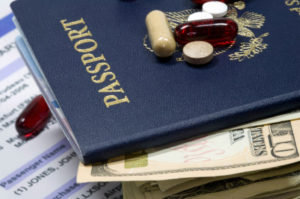 He was flying from Manchester, England, to New York with plans to continue on to Las Vegas to attend his industry conference. He stored his carry-on bag three rows behind his seat. This prevented him keeping an eye on it during the flight. When he arrived, he discovered that his passport was missing.
He reported it to the airline, but the response was skeptical—I’m not sure why the airline wasn’t helpful. He had to wait until Monday for the British Consulate to open. Fortunately, he had a digital copy of his passport and his driver’s license. And the consulate was able to issue a new passport by Tuesday, allowing him to continue his trip. Had he flown directly to Las Vegas, the nearest British Consulate would have been in San Diego, which would have added significant travel and stress.
Why Passports Are Stolen
Passports are valuable to thieves for several reasons:
-
Identity theft: Stolen passports can be used to commit fraud or open accounts under someone else’s name.
-
Forgery and resale: Criminals can alter passports or sell them on the black market.
-
Access to personal information: Passports contain sensitive information that can be exploited if combined with other stolen data.
According to the U.S. Department of State, more than 300,000 American passports are reported lost or stolen each year, and airports, hotels, and public transportation hubs are common locations for these incidents.
Tips for Keeping Your Passport Safe
Here are practical ways to protect your passport and travel documents:
1. Keep It on Your Person During Flights.
-
Carry it with you: Always keep your passport in a secure, concealed location, such as a money belt or neck wallet. Avoid placing it in overhead bins or seat-back pockets, where it can be easily forgotten or stolen.
-
Use a travel pouch: Consider using a travel pouch or hidden zipper pocket to keep your passport safe and easily accessible.
2. Use Hotel Room Safes.
-
Store securely: When you’re not carrying your passport, use the hotel room safe to store it. Most reputable hotels offer this service free of charge, providing you with peace of mind while you explore your destination.
-
Avoid leaving it unattended: Never leave your passport unattended in hotel rooms, public spaces or vehicles. Always ensure it is securely stored when not in use.
3. Make Digital and Physical Copies.
-
Create backups: Before your trip, make photocopies of your passport’s identification page and store them in a separate location from the original. Additionally, consider scanning a digital copy and storing it securely in your email or cloud storage for easy access in case of emergencies.
-
Share access: Share access to your digital copies with a trusted friend or family member back home, so they can assist you in case of loss or theft.
4. Be Vigilant in Public Spaces.
-
Stay aware: Remain vigilant, especially in crowded areas like airports, train stations and tourist attractions. Keep your passport concealed and avoid displaying it unnecessarily, as this can attract unwanted attention from potential thieves.
-
Use anti-theft bags: Invest in anti-theft bags with lockable zippers and RFID-blocking compartments to protect your passport and other valuables.
A Global Perspective
Passport theft can happen anywhere, but it’s more common in crowded airports and tourist areas. In the U.S., major hubs like New York’s JFK and Las Vegas McCarran have reported incidents of in-flight theft. International travelers are also at risk, especially in cities with heavy tourism traffic.
Takeaway for Business Travelers and Meeting Planners
The incident in Las Vegas highlights an important lesson: your passport is your key to travel, and keeping it secure should be a top priority. Simple precautions—keeping your bag close, storing documents wisely, and having digital backups—can prevent delays, stress, and potentially costly disruptions to your business trips.
Check out more of our travel safety tips.
For general travel safety tips, refer to the U.S. Department of State.