Summary:
Food and beverage (F&B) planning is a key component of any successful business event. You need to understand guest preferences. You need to select menus and consider dietary needs. The room setup and presentation must be considered. Careful planning ensures your attendees will enjoy a memorable experience. This guide is a checklist to design meals that guests will enjoy and help you achieve your event objectives.
In Brief
-
F&B can make or break the attendee experience.
-
Consider guest profile, dietary needs, and cultural context when planning menus.
-
Matching meal type, timing and presentation to your event schedule enhances satisfaction and efficiency.
1. Know Your Guest Profile.
Before designing a menu, understand who your attendees are:
-
Professional level (executives, managers, staff)
-
Frequency of attendance at similar events
-
Geographic location of attendees
-
Cultural or ethnic considerations
A clear understanding of your audience helps avoid the “rubber chicken” cliché. For additional insights on what clients expect from event catering, see National Association for Catering and Events guidance.
2. Understand Guest Preferences.
 Once you know who’s coming, tailor the menu to match their tastes and dietary needs:
-
Older attendees may prefer milder, classic options.
-
Health-conscious guests may favor seafood, vegetables or plant-forward meals.
-
Younger or mid-career attendees may enjoy bolder, adventurous flavors.
You also need to keep “culture” and type of “professional” in mind when planning menus. These considerations help you understand attendee expectations and you’ll be more confident that your meal selections align with the event’s goals. And, importantly, you’ll impress your guests.
3. Provide Menu Choices.
Offering variety ensures all guests are satisfied. General guidelines include:
-
At least two entrée options (three is ideal)
-
Multiple salad dressing selections
-
Condiments served on the side
-
Two dessert options: one indulgent, one healthier
Variety is so important. Attendees will know you kept their preferences in mind — including dietary needs — without overcomplicating service.
4. Incorporate Seasonal and Regional Ingredients.
Seasonality and location influence menu choices:
-
Use fresh, locally sourced produce and seafood.
-
Highlight regional specialties to give attendees a sense of place.
-
Seasonal menus often provide better flavor and cost-effectiveness.
Tip” Refer to the event catering best practices guide from Anne Arundel Community College for detailed guidance on ingredient sourcing and menu planning.
5. Match the Menu to the Event Schedule.

Marriott Auditorium Madrid Airport Hotel Breafast Buffet Breads.
© 2023 Rob Hard
The timing and type of meal should align with your agenda:
-
Box lunches: 30 minutes or on-the-go events
-
Plated meals: Minimum 1.5 hours
-
Buffets: Around 1 hour
-
Cocktail receptions: At least 1 hour before dinner
-
Working breakfasts/lunches: Items that stay fresh over longer periods
Proper timing will help keep the agenda on time and the attendees will be satisfied with their meal(s).
6. Anticipate Special Dietary Needs.
The real question is not, if you’ll need to address special dietary needs. The question is, for who? And what restrictions do they have? Confirm these details in advance:
-
Food allergies (nuts, shellfish, gluten, etc.)
-
Religious or cultural dietary restrictions
-
Vegetarian, vegan or other health-conscious needs
Add these items into the banquet event order. It prevents last-minute stress and ensures inclusivity.
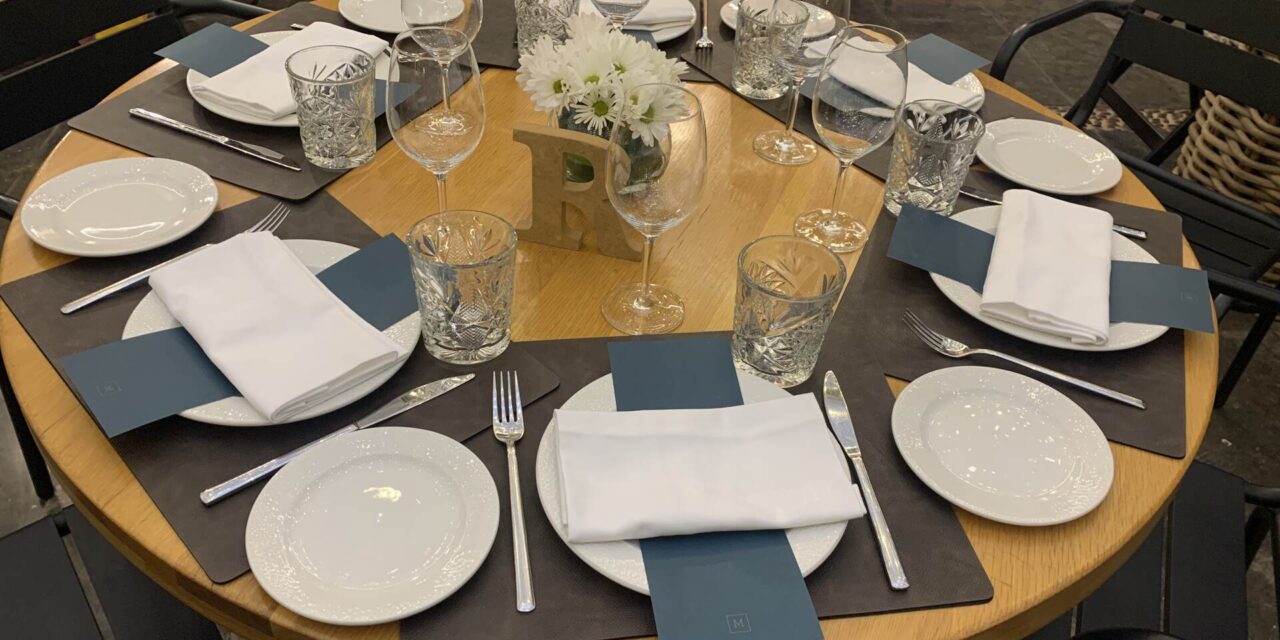
7. Choose a Comfortable Room Setup.
The room layout affects both service and attendee comfort:
-
Boardroom: Ideal for up to 15 guests
-
U-shape or rectangle tables: Encourages discussion
-
Classroom style: Best for presentations
-
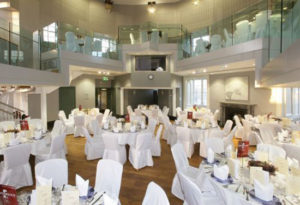
Banquet style: Promotes small-group interaction
Allow extra space at tables for dishes, glassware, binders and personal items. Tip: Seat 8 at a 10-person table for added comfort.
8. Consider Ethnic or Regional Menus.
Themed or culturally inspired menus enhance engagement and memorability:
-
Asian (Chinese, Japanese, Thai)
-
European (French, German, Italian, Greek)
-
Latin American (Mexican, Brazilian)
-
Middle Eastern
Ask the sales or catering manager if you could speak with the executive chef during the planning phase. He or she can offer suggestions to bring authentic flavors that match your event theme. For further professional guidance on menu planning and presentation, see event-catering best practices from CIA.
9. Focus on Presentation.
Guests experience meals visually and aromatically before tasting:
-
Use colorful, fragrant dishes.
-
Coordinate linens and decor with the meal theme.
-
Plate or buffet presentation should feel polished and appealing.
Well-presented food elevates the attendee experience and reinforces your event’s professional image.
Final Thoughts
Successful F&B planning balances taste, presentation and logistics. It also reflects your audience and event goals. By considering guest profiles, menu variety, timing, dietary needs and presentation, planners can create memorable meals that complement and elevate business events.
Related Reading
Updated. Initially published August 15, 2010.