Hybrid work changed how many people work, but it also changed how they travel. People may spend fewer days in the office, but in-person meetings still matter. In fact, travel is picking up in ways that show how important face-to-face time has become.
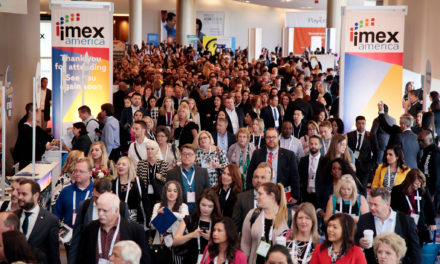
I recently saw this at IMEX 2025, where the show floor felt busy and active. I have to admit, I haven’t been to the conference in six years. But this definitely left the impression on me. More meeting and travel professionals attended. The energy reflected a clear rise in industry interest.
This matches some of the trends being referenced in the meetings sector, including the continued growth we reported in our recent article about the expansion of meetings in Europe.
Here is what business travelers, travel managers and planners should know about how hybrid work shapes today’s travel patterns.
Why hybrid work did not reduce business travel.

Ray Bloom and key show partners report on growth at shows closing press conference. Courtesy image
Many people expected hybrid work to replace many business trips. It did reduce some day-to-day travel, but it did not reduce the need for in-person time.
Research from McKinsey & Co. and the Global Business Travel Association supports this trend. Work still depends on connection. Teams need time together to build trust, start major projects and solve problems.
The strong turnout at IMEX 2025 helps validate this. People want to be in the room, meet partners, explore ideas and network in person.
Purposeful travel is becoming the norm.
Companies put thought into when and why people travel. Travelers may take fewer trips than they did before the pandemic, but the trips they take now serve clear goals.
You may notice:
-
Travelers stay longer to fit in several meetings.
-
Teams gather for offsites or planning sessions.
-
Travelers expect strong Wi-Fi, good workspaces and wellness features.
-
Companies want proof that a trip serves business goals.
You can see this same pattern at conventions. People arrive with clear plans, set meetings and focused goals.
For related planning guidance, see our Sustainable Travel and Green Meetings Checklist.
Regional travel is growing.

Chicago Auto Show 2024 Courtesy Image
Another insight I’m noticing is the increased shift to regional meetings. Organizations are investing in their staff to attend professional meetings and training at events that are closer to home. This helps teams stay connected while reducing travel time and cost.
Planners report that more companies now hold meetings in cities near their main offices. This helps bring hybrid teams together without long flights.
Large trade shows still attract big crowds, but regional events — and regional trade shows — offer steady value throughout the year.
Travelers show two clear trip styles.
Hybrid work influences how travelers use their time on the road. Right now, most fall into one of two patterns.
1. Pure business travel.
Some travelers go straight to their meetings, complete their work and head home. This is common for short domestic trips or focused offsites. And the ideal reflects an agenda that adds opportunities to relax and network as part of the agenda. This can help satisfy the chance to get away without relying on needing to stay longer.
2. Business trips with personal time added.
Others add a day or two to enjoy the destination or explore nearby attractions. This is more common for international trips, where travelers want to make the most of long-distance travel. It also happens when the destination itself is a bit of a personal draw — allowing the chance to leverage bleisure.
This trend reflects what we hear across the industry. Hybrid schedules allow more flexibility, and many travelers use that when it makes sense.
Cities seeing more team and project travel.
Hybrid work allows employees to live farther from the office. This means companies choose meeting locations that are easy for everyone to reach.
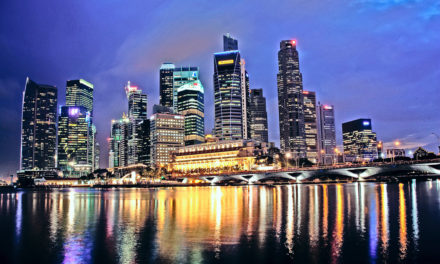
Cities showing strong growth include:
These cities offer solid airlift, modern hotels and flexible meeting options.
Hotels and airlines are adjusting to hybrid travelers.

Waldorf Hilton London Executive Lounge. Courtesy image
Hotels and airlines continue to update services to support modern travelers who need to work and stay comfortable during their stay.
Hotels now offer:
-
Open lobbies with work tables
-
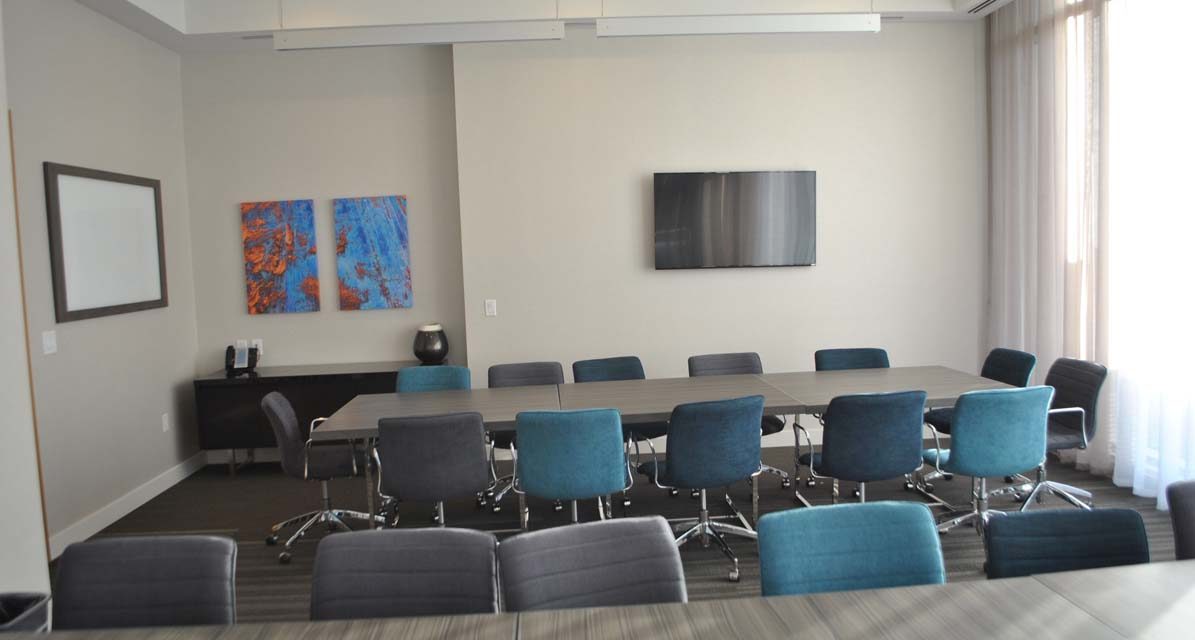
Small rooms for online meetings
-
Updated fitness centers
-
More dining choices for longer visits
You can see examples in our hotel reviews (insert internal link).
Airlines now focus on:
-
Better onboard Wi-Fi
-
Flexible ticket rules
-
Expanded premium economy seating
-
Stronger loyalty benefits
External resource: IATA Business Travel Outlook.
Meetings are changing with hybrid work.
Hybrid work reshaped the design of meetings. Many companies replaced routine office meetings with planned gatherings built for collaboration.
Common changes include:
-
More offsite retreats
-
More hands-on, interactive sessions
-
Higher demand for reliable AV
-
Increased interest in sustainable venues
For more planning ideas, see our Event Planner Tips.
Sustainability remains a priority.
Companies still travel, but they want to reduce their environmental impact. Many now:
-
Combine several meetings into one trip
-
Choose rail travel for short distances
-
Track carbon use
-
Work with eco-certified hotels and venues
This helps companies meet sustainability goals while still supporting in-person work.
How travel managers can support hybrid teams.
Travel managers can strengthen their programs by focusing on four areas.
1. Build flexible policies.
Offer extended stays, hybrid-friendly hotels and clear bleisure guidelines.
2. Strengthen supplier partnerships.
Work with hotels and airlines that support long stays and strong connectivity.
3. Include sustainability.
Offer eco-friendly suppliers as a possible option.
4. Improve the traveler experience.
Provide clear guidance on remote work, safety and wellness during travel.
Conclusion: Hybrid work supports stronger travel, not less travel.
Hybrid work changed the rhythm of travel, but it did not remove the need to meet in person. My attendance at IMEX 2025 showed strong momentum. I’m noticing friends and industry professionals attend more conferences and training programs. Regional meetings are increasing. Travelers still mix work and personal time when it fits their schedules.
Business travel now plays a more intentional role in how teams connect and succeed — and this trend is likely to continue.